Tesla’s driverless software count hits 1.74 million, but many aren't paying monthly
New data shows a surge in Tesla's Full Self-Driving metrics, yet the definition includes long-time owners who paid a lump sum years ago rather than current monthly subscribers.
By Zanele Khumalo ·
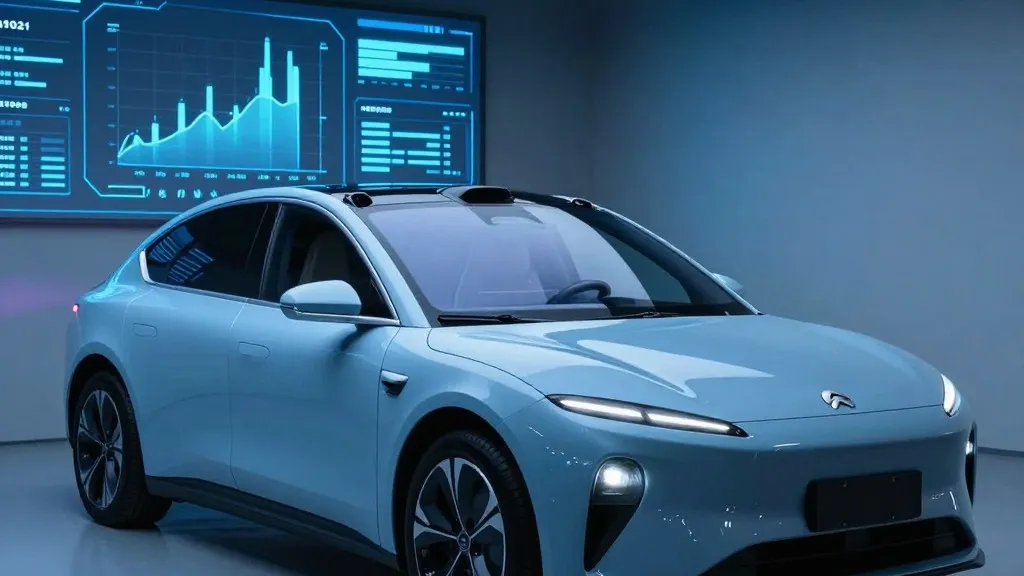
For investors tracking Tesla’s software revenue, the definition of a customer has just become more complicated. The company reported 1.74 million active Full Self-Driving (FSD) subscriptions as of the end of the third quarter, a 67% jump from the same period last year. However, this figure does not represent 1.74 million people paying a monthly fee. Instead, it aggregates both those on recurring plans and owners who purchased the software outright, a method designed to align with specific executive compensation targets.
The numbers reveal a significant gap between the headline metric and actual recurring revenue. Tesla ceased selling FSD as a one-time purchase on February 14, 2026, after which new customers could only access it for $99 per month in the United States. Before that date, buyers could pay up to $15,000 for the technology. These upfront purchasers remain in the active count as long as their vehicles are operational, provided they are not on a free trial. Consequently, Tesla has not disclosed how many of the 1.74 million users are currently paying the monthly rate, leaving a portion of the total tied to past lump-sum payments.
This accounting strategy is central to the 2025 CEO Performance Award for Elon Musk. The compensation package, which runs until 2035, is divided into 12 tranches, each requiring specific market capitalization and operational milestones. One key operational goal is reaching 10 million active FSD subscriptions. By including upfront buyers, Tesla brings this metric closer to that threshold. Similarly, the company’s cumulative delivery count of 10.2 million includes unsupervised Robotaxis placed in commercial operation, a definition chosen to match the 20 million vehicle milestone in the same pay package.
Tesla also highlighted a 75% attach rate for FSD in North American deliveries during the third quarter, noting a nearly 20-percentage-point increase from the previous quarter. The company attributes this to FSD driving demand in available markets. Yet, the shareholder letter does not clarify whether this rate includes introductory offers or how many of those initial buyers continue paying after several months. While the active subscription metric excludes free trials, the attach rate lacks this specific exclusion, making it difficult to gauge long-term retention.
The pace of growth suggests the 10 million milestone is a distant target. Tesla added 260,000 net FSD subscriptions in the third quarter, its strongest performance to date. At this velocity, reaching 10 million would take approximately eight years. Over the past 12 months, the average annual growth has been closer to 700,000, which would extend the timeline to nearly a decade. As of June 30, Tesla considered only the 20 million delivery milestone probable among the award's operational requirements.
The stakes extend beyond mere statistics. A significant number of these "subscribers" were sold the promise of unsupervised self-driving, a capability Tesla has yet to fully deliver. The board approved this definition, and Musk’s compensation depends on it, yet the company has not released the specific count of monthly payers. For a product priced at $99 a month, the 75% attach rate is a compelling claim, but the lack of transparency on retention rates leaves investors with questions about the true sustainability of the software revenue stream.
Source: Electrek