SpaceX Rejects Military Contracts as Spanish Rocket Approaches Final Tests
The aerospace sector sees a mix of strategic shifts and technical milestones, highlighted by SpaceX's refusal of US Space Force bids and PLD Space's imminent integration of its Miura 5 vehicle.
By Aever Bundji ·
In a significant strategic pivot announced this week, SpaceX has declined three launch contracts offered by the US Space Force. This decision marks a notable departure for the company, which has historically served as a primary provider for military orbital access. The rejection suggests a continued prioritization of internal capacity and specific mission profiles over broader government obligations, a move that observers are closely analyzing for its implications on the commercial space market.
The decision comes alongside new technical constraints identified for SpaceX’s flagship Starship program. A NASA safety panel indicated that the vehicle may require as many as 22 orbital refueling operations to support a lunar landing mission. This high number of refuelings underscores the immense logistical challenges involved in scaling up the Starship architecture for deep space travel. The finding highlights the critical importance of in-orbit propellant transfer technology, a capability that remains a central focus for developers aiming to make lunar missions routine.
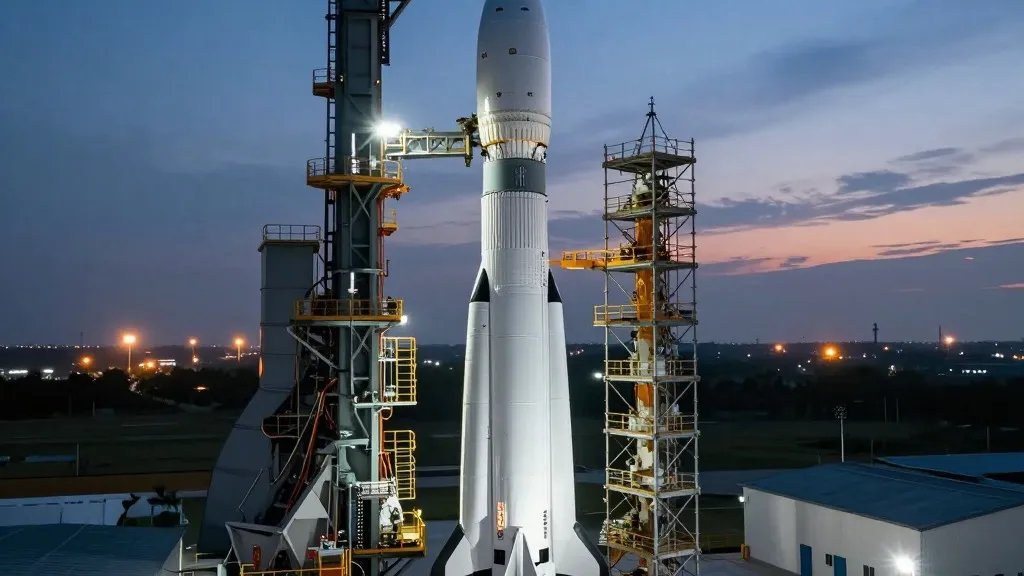
Meanwhile, in Europe, Spanish startup PLD Space is nearing a critical milestone for its Miura 5 small-lift rocket. The company confirmed that the vehicle is approaching final integration, with a target launch date set for before mid-2027. CEO Raúl Torres noted that the construction of three distinct Miura 5 units has allowed engineering teams to apply lessons learned from qualification campaigns directly to the primary launch vehicle. This iterative approach aims to streamline production and reduce the time required for system validation.
Specific progress has been made on the rocket’s second stage, which is currently undergoing system-level testing at the company’s Teruel test facility. The stage is fully integrated and will undergo a wet dress rehearsal and a static hot-fire test under representative operating conditions. These tests are essential for verifying the reliability of the propulsion and guidance systems before the vehicle is cleared for its inaugural flight next year.
The broader launch industry also saw movement in Canada, where startup Reaction Dynamics announced plans to raise $350 million. The funding is intended to expand the company’s workforce from 68 to over 350 employees. Reaction Dynamics is developing the Aurora small-lift rocket, which is targeted for orbital debut in 2028. Additionally, the company revealed plans for a medium-lift vehicle named Borealis, with a launch target set for 2031.
These developments collectively illustrate the accelerating pace of the global space industry. From SpaceX’s selective engagement with military clients to the rigorous testing regimes in Spain and Canada, the sector is entering a phase where operational readiness and capital growth are key drivers. As multiple nations and private entities push toward new launch capabilities, the competitive landscape continues to reshape itself, with efficiency and technological maturity becoming paramount.
Source: Ars Technica