SpaceX Shares Surge on $4.4B Profit and Surprising AI Revenue Breakout
Wall Street analysts aggressively raised price targets after SpaceX reported a massive shift in profitability driven by its rapidly expanding AI compute division.
By Ahmed Mansour ·
The valuation of SpaceX (NASDAQ: SPCX) has undergone a rapid reassessment as Wall Street grapples with a quarterly performance that significantly outpaced market expectations. Following the release of third-quarter 2026 results after the market closed on October 20, shares spiked in after-hours and premarket sessions, reflecting a sudden shift in investor sentiment. The core tension for market watchers is no longer just about launch costs or satellite connectivity, but rather the company's pivot into high-margin artificial intelligence infrastructure, a sector that has now become the primary engine of its financial growth.
The financial figures reveal a company in a phase of aggressive expansion. SpaceX reported total revenue of $14.6 billion, a 161 percent year-over-year increase that comfortably exceeded the consensus estimate of approximately $12.7 billion. More critically for the stock's valuation, the company swung to a net profit of $4.4 billion, a stark contrast to the losses recorded in the same period the previous year. Adjusted EBITDA reached $8.8 billion, underscoring the improving operating leverage of the business.
The driver behind this earnings power was the Super Intelligence (AI) division, which generated roughly $7.6 billion in revenue. This segment grew nearly 830 percent year-over-year to become the largest contributor to the company's top line. The Connectivity segment, anchored by Starlink, delivered $5.2 billion in revenue as the consumer subscriber base swelled to 13.6 million. While the launch and satellite businesses remain foundational, the AI compute business is now the dominant factor in the company's financial narrative.
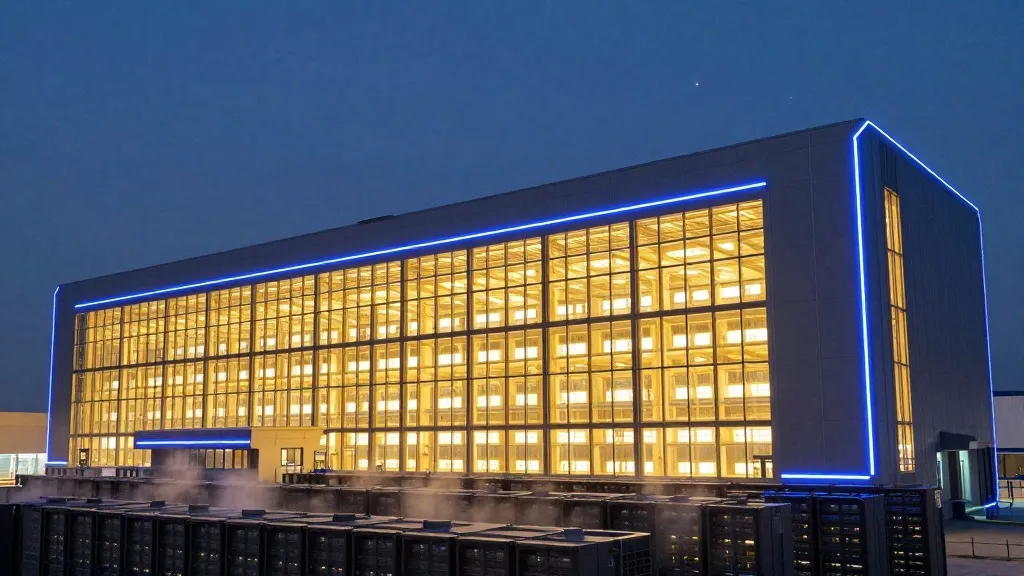
Leadership provided guidance that further electrified the trading floor. During the earnings call, CEO Elon Musk and CFO Bret Johnsen outlined first-quarter 2027 revenue guidance of $33 billion to $37 billion, a figure far above the roughly $22 billion modeled by analysts. To support this growth, the company announced fourth-quarter capital expenditure plans of $35 billion to $40 billion, primarily focused on AI compute infrastructure in Memphis and Southaven. Management targets 2.5 to 3 gigawatts of nameplate compute capacity by year-end, with pathways discussed to reach 13 gigawatts or more by the end of 2027.
Musk noted that demand from hyperscalers is relentless, with compute pricing supporting payback periods of less than a year and potentially as short as six months. This rapid return on investment has attracted a wave of bullish revisions from major investment banks. JPMorgan more than doubled its price target to $500 from $240, maintaining an Overweight rating. Cantor Fitzgerald lifted its target to $345 from $246, while Barclays raised its to $300 from $254. Other notable increases include Citi to $240 from $200, UBS to $230 from $210, TD Cowen to $224 from $200, Wells Fargo to $274 from $214, and Clear Street to $248 from $217. Morgan Stanley also holds an Overweight rating with a $300 target.
The broader market reaction has been immediate. Shares that closed at $147.79 on October 20 jumped approximately 8 percent in early premarket trading on October 21. The surge reflects a consensus view that the company's trajectory across launch, connectivity, and AI is accelerating. While the heavy capital expenditure remains a point of focus for risk-averse investors, the average analyst price target has moved higher, signaling greater conviction in the long-term earnings power of the business.
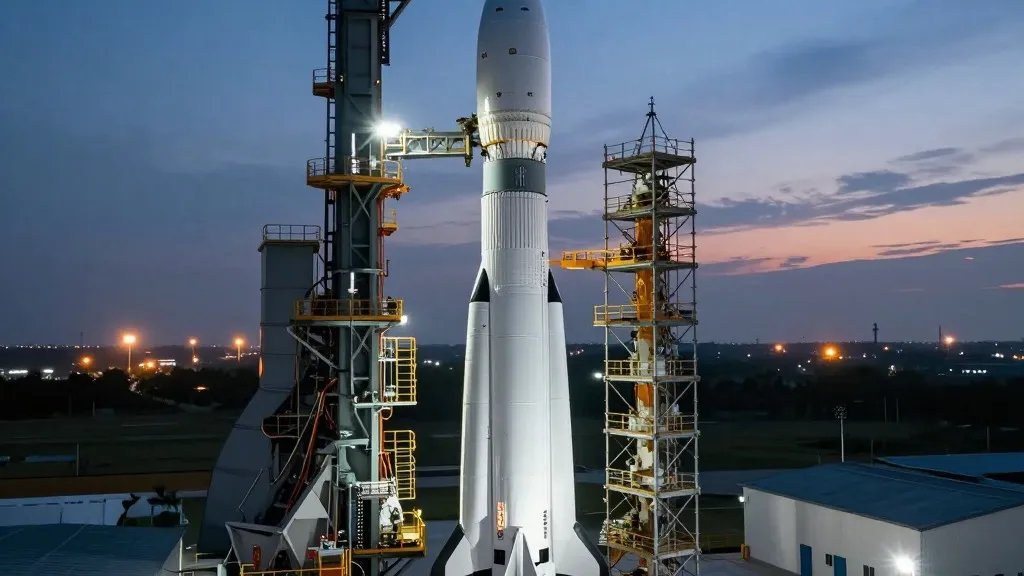
Additional strategic updates included the recent orbital success of Starship and the deployment of V3 satellites, alongside rapid adoption of the Grok Bot and plans for spectrum expansion. Notably, special committees have been formed to explore a possible combination with Tesla, adding another layer of complexity to the corporate structure. These developments have cemented SpaceX’s position as a central player in the AI infrastructure race, driving the significant upward revision in its market valuation.
Source: Teslarati