New AI Data Center Energy Rules
The White House is asking large tech firms to share extra power with neighbors to ease local utility bill shocks.
By Pablo Harrison ·
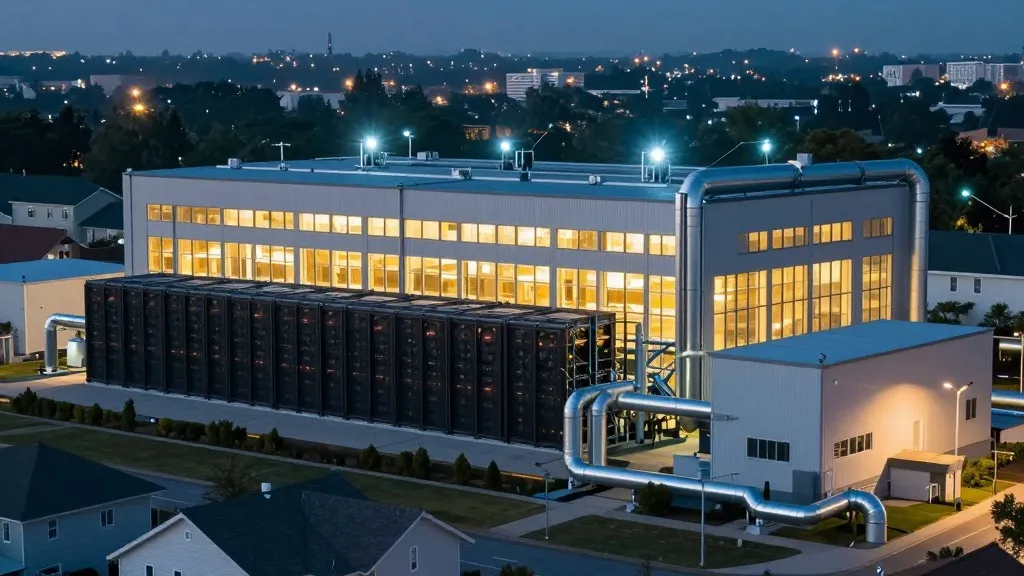
If you live near a massive computer facility, your electric bill might soon get a bit more complicated. The White House is asking the companies that build these AI data centers to share their extra energy with nearby neighborhoods. This move is designed to stop utility rates from climbing and could even lower them for local residents. It is a direct attempt to make these large facilities more acceptable to the people who have to live next to them.
President Donald Trump outlined this plan in a recent post on Truth Social. He stated that data center builders and major AI companies, often called hyperscalers, must pay a dividend to the community. The core idea is that these facilities should not only generate their own power, as previously requested, but also give or sell their surplus energy back to the grid. This extra supply would help offset the price hikes that typically occur when heavy industrial users join the local network.
Local residents have been vocal about their concerns. Many small communities have protested the arrival of these AI hubs. The complaints often include rising electricity costs, constant noise, and strain on local water supplies. Air pollution and tree clearing are also common issues. By offering a financial benefit through shared energy, the administration hopes to soften the impact of these infrastructure projects.
The Trump administration is eager to stay ahead of China in the global AI race. To win back some public favor, they are pushing for these deals to happen quickly. The specific mechanics of how this dividend works are still being worked out. However, the focus on electricity suggests that part of the payment might come from directly lowering the cost of power for homes near the sites. A recent law already requires data centers to pay for grid upgrades so that local taxes are not used for that purpose.
In his post, the president emphasized the financial aspect of the relationship. He noted that data centers are often unpopular in specific areas until a money-making deal is struck. He urged companies to make these deals so construction can proceed. The goal is to turn a source of local friction into a source of local benefit.
However, there are questions about whether money is enough. The economic side is only one part of the challenge. Data centers use enormous amounts of water and can cause ecological damage. Pollution remains a significant issue that a financial dividend does not fix. These factors continue to make it difficult to win over communities, regardless of potential bill savings.
The term dividend also raises practical questions. Companies usually pay dividends only when they are profitable. New data center projects often take a long time to recoup their construction costs. This means the companies might not be profitable for a while. Critics point out that the short term power generation often relies on gas powered generators. These can be noisy and polluting. If the local community has to deal with that noise while waiting for the financial benefits, the deal might not feel like a win.
Source: Tom's Hardware · original report published