Wolves enter Finnish villages after Google clears 1,300 acres for AI hubs
Displaced wildlife is forcing a confrontation between local safety concerns and the rapid expansion of American tech infrastructure in Finland.
By Ananya Gupta ·
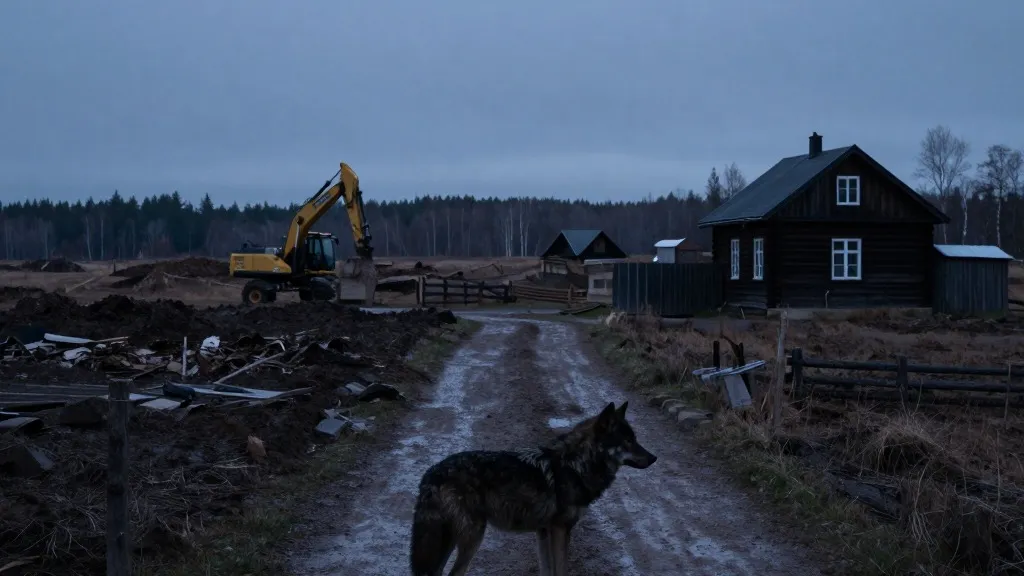
Wolves are now roaming into Finnish residential areas following the large-scale deforestation near Muhos, a direct consequence of Google’s construction of new artificial intelligence data centers. The American tech giant’s country manager has issued an apology for unauthorized clearings that have transformed 816 acres of forest into a muddy expanse. This incident has exacerbated tensions between local communities and the tech sector, which is aggressively expanding its physical infrastructure in Europe to support its AI ambitions.
The primary claim driving this conflict is that Google proceeded with significant earthworks before securing all necessary permits. The Finnish Licensing and Supervision Authority (LVV) has ordered the company to cease work in approximately 500 acres of cleared forest located 55 miles southeast of the village of Otanmäki. A representative from the Finnish Association for Nature Conservation stated that the company’s disregard for environmental policy was unprecedented and clear. This regulatory intervention follows a previous notice issued earlier this month to halt construction activities in Muhos and the nearby area of Kajaani.
The physical removal of the forest has triggered an immediate ecological chain reaction. Anni Ranta, a 53-year-old resident of Otanmäki whose family has lived in the area for generations, explained that wolves and other wild animals have moved into the villages because their natural habitats were destroyed. Ranta noted that the displacement of wildlife has become a serious human safety concern for her community. She also expressed a separate fear that the presence of U.S.-owned data centers could make Finland a more attractive target for Russian aggression, adding a geopolitical layer to the local dispute.
Local grievances extend beyond the appearance of wolves. Residents have reported construction and factory noise, streams turning brown, and the displacement of rare bird species. These complaints mirror environmental controversies seen in the United States and other regions where data centers are being built. The disruption highlights a growing friction between the urgent need for computing power and the environmental costs borne by nearby communities, who feel that regulations are being bent to accommodate corporate timelines.
Despite the regulatory orders and public outcry, Google maintains a cooperative stance. A spokesperson stated that the company will fully comply with the LVV’s requests and is eager to maintain an open dialogue with authorities. The company appears to be banking on the long-term economic benefits of its Finnish operations to secure regulatory goodwill. However, the current situation suggests that the promised partnership may face significant hurdles as locals demand accountability for the environmental damage and the resulting shift in the local animal population.
The outcome of this dispute will likely set a precedent for future tech infrastructure projects in Finland. As the mud from the cleared sites persists and wildlife continues to seek new territories, the pressure on Google to remediate the land and engage with local stakeholders is intensifying. The case underscores a broader national debate about the trade-offs involved in hosting critical AI infrastructure, where environmental stewardship and economic investment are increasingly viewed as competing priorities rather than complementary goals.
Source: Tom's Hardware