Gazans await Israeli vote as 80% of buildings remain damaged
Residents in the territory say the election will determine if the siege and air strikes end, with little faith that a new government will change daily conditions.
By Chloe Edwards ·
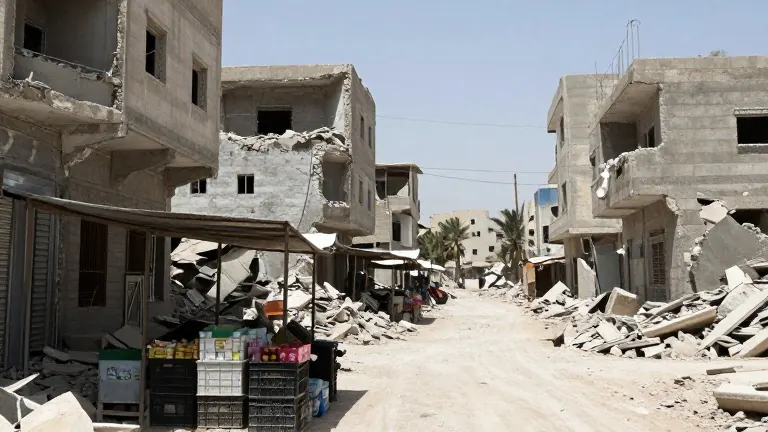
More than 80 percent of buildings in Gaza are damaged, and about two-thirds of those structures are completely destroyed. This physical toll hangs over the territory as Israeli voters head to the polls on Tuesday, October 27. The result of the vote is expected to influence the economic and security conditions for the 2.3 million Palestinians living in the enclave.
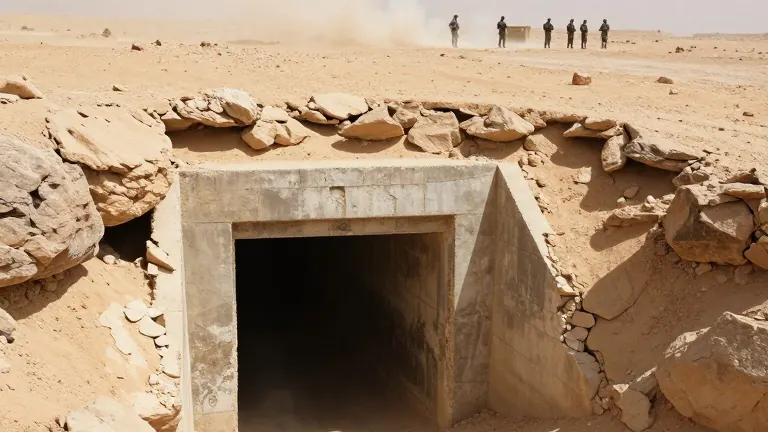
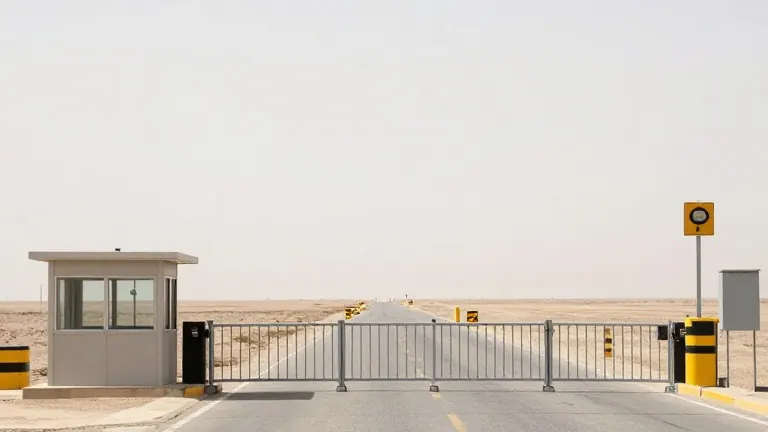
Israel maintains control over approximately 65 percent of the territory inside a boundary known as the Yellow Line. This occupation restricts movement and trade. Residents say the siege has left basic goods in short supply, and near-daily air strikes continue despite a ceasefire that has been in place since October 2025. The economic uncertainty drives much of the anxiety surrounding the election.
Mousa Ali, 33, a father of four displaced from Beit Lahiya, views the vote as a direct test of market access. He says the outcome will determine whether displaced people can return to areas beyond the Yellow Line. Ali hopes the Arab parties perform strongly enough to influence the next government. He fears a victory for Prime Minister Benjamin Netanyahu would prolong displacement and maintain Israeli control around the line.
Islam Salem, 41, argues that the election primarily serves Israeli interests. He doubts that reconstruction will begin soon under any administration. Salem believes the approach to Gaza will remain static, keeping the local economy in a state of limbo. He described his daily routine as one of survival, stating that everything he feared has already happened.
Manar Owaida, 23, is from northern Gaza and currently lives in the Tal al-Hawa neighborhood of Gaza City. She hopes Gadi Eisenkot, a former military commander, replaces Netanyahu. Owaida believes a new government might ease the blockade and withdraw from areas beyond the Yellow Line. Such a move could allow life to slowly return to normal. Her primary concern is that Netanyahu might launch a wider regional war to relieve domestic political pressure.
Hanan Abu al-Maaza, 57, has been displaced more than 12 times during the conflict. She fears worse treatment from the next government. If Netanyahu loses, she believes there is a better chance she can return to her home in Beit Lahiya. She described the current state of infrastructure as depleted, noting that there is nothing left to destroy yet the suffering continues.
Mohammed Eliyan, 36, lives in Deir el-Balah with his five children after being displaced from the Jabalia refugee camp. He supports Eisenkot and fears another term for Netanyahu’s Likud party would bring more war and displacement. Eliyan does not expect a dramatic shift in policy. He stated that he hopes the next leader is simply less harsh than the current administration.
Residents across the territory shared a common appeal for the next leader: end the war and stop the bloodshed. Mousa Ali summed up the sentiment by saying he hopes the current policy will end and that a new prime minister will stop the ongoing conflict. The vote is seen as a critical juncture for the local economy and the physical future of the enclave.
Source: Al Jazeera
More Business · World news · Scam Watch · Report a business · Got a Story?