
Fitbit Edge launches at $180 with AI coach and week-long battery
Google strips away smartwatch features to revive the basic fitness band, leaving out contactless payments and a built-in speaker.
By Chloe Edwards ·
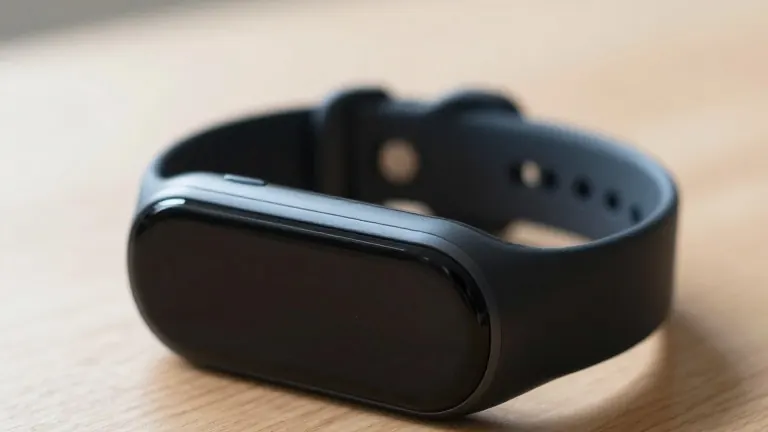
Google launched the Fitbit Edge on Monday for $179.99, a device that returns to the simple fitness band design popular in the mid-2010s. The tracker omits the contactless payment capability found on the previous Charge 6, a decision company leaders attribute to low consumer usage of that specific feature.
The new hardware focuses on core health metrics rather than smartwatch functionality. It features a rounded display that sits flush against the wrist, replacing the boxy design of its predecessor. The device runs a proprietary Fitbit operating system, distinct from Wear OS, and relies on physical side buttons for navigation. Users can swap between interchangeable straps, including a $150 metal link bracelet and a $60 magnetic silicone option.
Battery performance is a key differentiator for the Edge. The tracker lasts approximately one week on a single charge during standard use. That duration drops to roughly one and a half days if the user enables the always-on display. The device includes built-in GPS, allowing users to track runs and walks without carrying a smartphone. It also supports alarms, music control, and notification viewing.
Andy Abramson, head of product at Google Health, explained the removal of payments and audio hardware. He stated that less than one percent of Charge 6 owners used the contactless payment feature. Instead, the company prioritized a sleeker design, an altimeter, and extended battery life. The Edge lacks microphones and speakers, meaning users cannot answer calls directly from the wrist.
The software experience has shifted from the standalone Fitbit app to the Google Health platform. This new interface includes an AI coaching feature available through a subscription service. The subscription costs $10 per month, with three months included free with the purchase of the hardware. The AI coach generates custom workout routines and provides guidance, though the interface requires some manual adjustment to locate past workout data.
Automatic activity tracking has improved on the Edge. In testing, the device accurately identified the transition between walking and running during a 2.4-mile session. It estimated the distance at 2.55 miles, a close approximation to the actual route. However, the device overestimated the user's running pace, logging a 10:49 mile pace compared to the actual 11:38 pace recorded by an Apple Watch Ultra 4.
Additional health features, including noninvasive insulin resistance and blood pressure trend monitoring, are scheduled for release later this month. Initial results for these Health Guardian features are expected to become available on November 1. The Edge competes with the $99 Fitbit Air and the $249 Apple Watch SE 3, targeting consumers who want a display but prefer a lighter device than a full smartwatch.
Source: The Verge
More Business · Scam Watch · Report a business · Got a Story?