Nvidia’s Holiday Strategy: Microducks become instant best-sellers after CEO demo
Jensen Huang’s playful demonstration of the open-source Microduck robots during a recent keynote drove preorders past 20,000 units, signaling a potential shift in consumer robotics.
By Anastasia Volkova ·
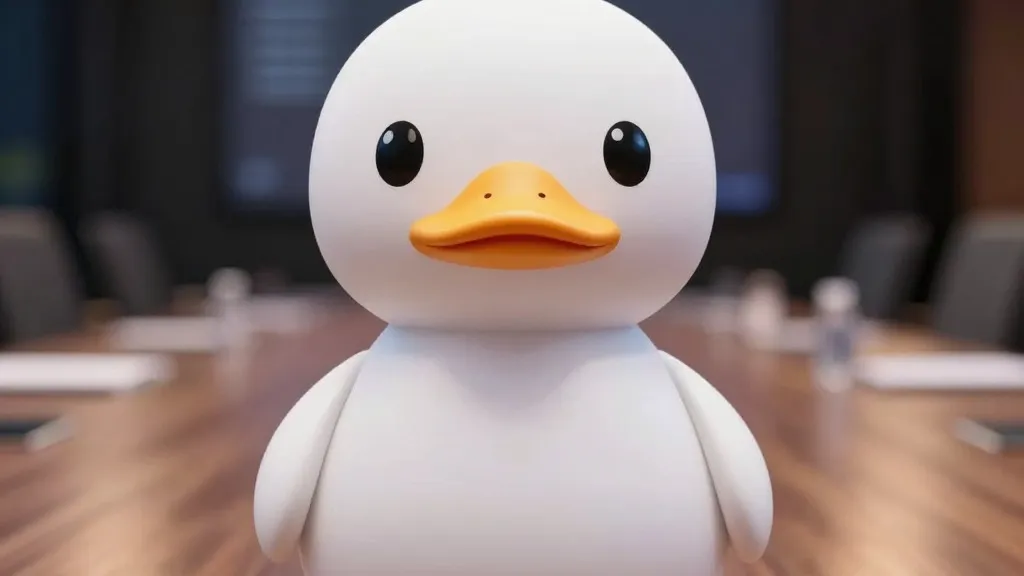
Nvidia CEO Jensen Huang significantly boosted the profile of the Microduck robot line this week by personally interacting with a group of the devices during his keynote address at the GTC Berlin conference. The viral video captures Huang engaging with the small, waddling robots, which performed a series of programmed actions including stomping, sitting, falling over to simulate a nap, and executing summersaults upon voice command. The robots also emitted high-pitched noises reminiscent of the droid R2-D2 from the Star Wars franchise. This direct interaction by one of the tech industry’s most prominent figures appears to have catalyzed a surge in consumer interest, with Hugging Face CEO Clem Delangue confirming that preorders had exceeded 20,000 units by the day following the event.
The rapid uptake suggests that the Microducks are poised to become a dominant product in the holiday market. Since the devices are scheduled for delivery before Christmas, they are already positioned as a top contender for the year’s most popular toy. Delangue has expressed confidence that these units could become the best-selling robots of the year, noting that the target demographic may extend beyond children. Promotional materials highlight adults playing with the devices, indicating a broader appeal that aligns with the current trend of consumer-facing AI hardware.
The commercial success of the Microducks is underpinned by a specific corporate structure resulting from recent mergers. The robots are developed by Pollen Robotics, an open-source hardware company that was acquired by Hugging Face in 2025. Following Nvidia’s acquisition of Hugging Face in September, the Microducks effectively became part of the GPU giant’s portfolio. This marks the second robotic product line for the Hugging Face entity, following the launch of the similarly whimsical Reachy Mini.
Technically, the Microducks leverage Nvidia’s proprietary technology stack for their development. The company trained the robots using simulations, where virtual versions of the devices were taught foundational movements such as walking, sitting, and standing. These core behaviors are pre-installed on the physical units at the time of shipping. However, the open-source nature of the device allows owners to train their specific robots on new tricks and share those custom behaviors with the wider community, creating a collaborative ecosystem for user-generated content and functionality.
The timing of this launch offers a distinct contrast to the broader narrative surrounding artificial intelligence this week. While the industry has faced scrutiny over its role in a series of cyberattacks, the Microducks present a more accessible and entertaining facet of AI technology. The playful demonstration serves as a counter-narrative to the concerns about AI’s potential to damage the world, reminding the public that the technology can also be a source of fun and engagement. The ease with which the robots captured public attention suggests that the appeal of the devices may be difficult to resist for consumers looking to integrate AI into their daily lives.
Looking ahead, the focus will shift to the physical delivery of the 20,000 preordered units in time for the holiday season. The success of this initial batch will likely determine whether the Microducks can sustain their momentum as a best-seller. For Nvidia and its newly integrated subsidiaries, the project represents a successful expansion into the consumer robotics space, leveraging the company’s technological strengths to create a product that is both technically robust and emotionally appealing to a wide audience.
Source: TechCrunch