Judge Blocks Montana Law That Would Limit Student Voter Registration
A state court ruling keeps current residency rules in place for college students ahead of the midterm elections, rejecting a new legislative attempt to define academic stays as temporary.
By Pablo Harrison ·
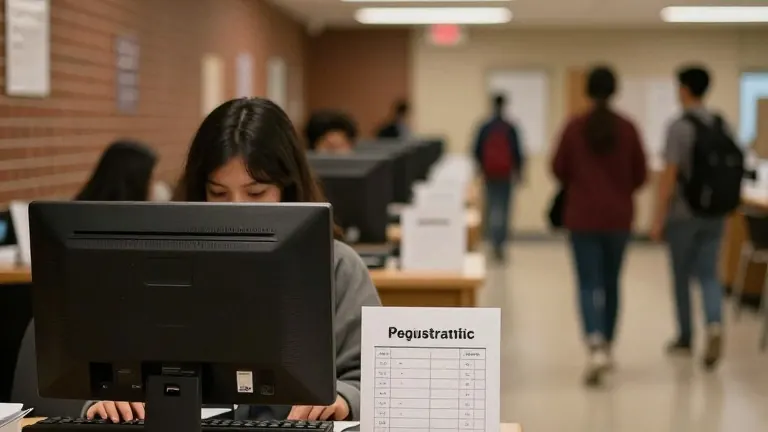
A Montana state judge has blocked a new law that would have restricted where college students register to vote. The ruling leaves the previous rules in effect for the upcoming midterm elections. This decision follows a lawsuit filed by student advocacy groups who argued the new requirement unfairly targeted out-of-state students.
The legal dispute centers on how Montana defines residency for voting purposes. Last year, the state legislature passed a restriction for residents in temporary educational programs. Under the new rule, these individuals could only register in a Montana county if they intended to make that area their permanent home after finishing their studies. The law aimed to clarify who qualifies as a resident for ballot access.
Montana state officials argued the law does not apply to students at colleges and universities. In court filings, they stated that interpreting a two, four, or eight-year degree as a temporary endeavor would make the word temporary meaningless. They maintained that the restriction targets short-term residents rather than those pursuing full degrees.
Judge Jason Marks of Missoula County did not accept that interpretation. In February, he found the restriction likely violated Montana's constitution. He has now prepared a final ruling after holding a hearing this month. The judge's decision keeps the older residency rules in place while the legal challenge continues.
The lawsuit was brought by the Montana Public Interest Research Group. The organization claims the new residency rule could force thousands of eligible students to lose their ability to vote in local and state elections. They argue that students living in Montana communities contribute to those areas and should have a say in how they are governed.
The issue of student voting rights dates back to a Supreme Court ruling in 1979. That decision affirmed the right of eligible students to register in the communities where they live during the academic year. Federal law sets ground rules to ensure states do not discriminate against specific groups of voters, including students. States determine who qualifies as a resident, but they must apply those standards consistently.
Michael Hanmer, a professor of government and politics at the University of Maryland, explained that college students must be treated the same as any other new resident. He noted that all eligible voters have a right to cast a ballot in one location. He compared students to owners of multiple homes who choose which residence serves as their primary domicile for voting.
Yael Bromberg, an attorney who co-edited a book on youth voting rights, described domicile as a singular, fixed, and permanent principal home. She explained that for a student who does not yet know where they will live after graduation, the determination of domicile is a highly personal and individualized assessment. This legal definition allows students to choose their voting residence based on their current intent and circumstances.
Some supporters of the Montana restriction argued at public hearings that out-of-state students should not affect the state's elections. However, Hanmer believes the law faces significant legal hurdles. He said he would be surprised if the attempt to restrict students voting in Montana for educational purposes holds up in court.
Hanmer advised student voters to be aware of other state requirements when choosing where to register. In some states, establishing a new residency for voting may require additional activities, such as obtaining a new state ID or changing car registration. These restrictions apply to all new residents, not just college students, and can cost voters time and money.
Source: NPR