Warhound Secures $200 Million to Clone Elite Canines for U.S. Defense
Backed by Sequoia and intelligence-linked In-Q-Tel, Warhound aims to solve the deficit of fit working dogs by engineering genetically optimized animals equipped with Anduril technology.
By Juan Gonzalez ·
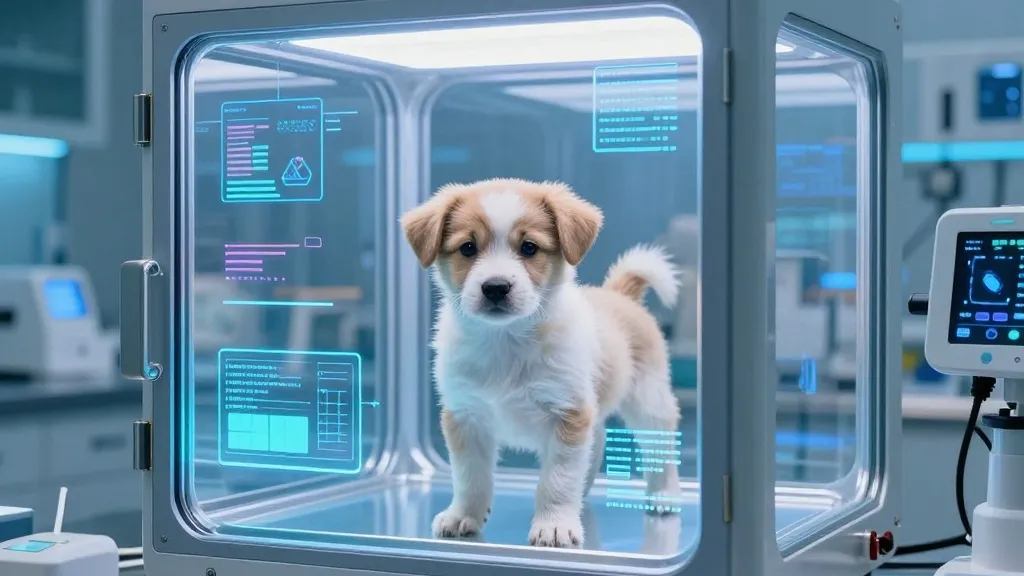
Warhound emerged from stealth on Thursday, revealing a $200 million funding round dedicated to genetically engineering war dogs for the U.S. military, law enforcement, and emergency response teams. The new venture is a joint effort between Colossal Biosciences and Anduril, combining biological innovation with advanced hardware to address a critical gap in national security infrastructure.
The investment round, which values the company at $1.2 billion, includes participation from Sequoia, 8VC, Corner Ventures, and In-Q-Tel. In-Q-Tel is a venture firm backed by the CIA and other U.S. intelligence agencies, signaling the strategic importance placed on this canine technology. The funding provides the resources necessary to develop a new type of dog capable of performing dangerous tasks that are currently too risky for humans or too complex for standard machines.
Colossal Biosciences CEO Ben Lamm and Anduril founder Palmer Luckey initiated the project after meeting at a conference approximately one year ago. Lamm noted that Luckey expressed a need for better support for the military’s working dogs. Subsequent research revealed that many current working dogs fail to complete training due to inherited issues such as poor eyesight, hip dysplasia, muscle atrophy, and a high likelihood of cancer. Warhound aims to mitigate these health risks while enhancing speed, agility, and olfactory sensitivity for specific missions like bomb detection.
The biological component of the venture relies on Colossal’s existing technology, which the company previously used for de-extinction projects involving animals like the mammoth. The team has established a biobank using cell lines from top-performing breeds, including the Belgian Malinois and German Shepherd. Colossal’s subsidiary, Viagen, will handle the cloning process, utilizing technology with a high success rate. The first batch of dogs is scheduled to be cloned and incubated now, with births expected early next year and service readiness within two years.
Anduril will provide the technological layer for these canines, supplying software and hardware such as protection vests and goggles. These tools are designed to improve situational awareness and coordination between the dogs and their handlers. Lamm described the concept as placing enhancements "on top of the dog, not in the dog," citing examples like bulletproof vests equipped with data sensors that relay real-time information to handlers. Luckey is a partner in the venture but does not hold equity, while Colossal owns a stake and licenses its technology.
The company intends to sell these enhanced dogs to the Department of Defense, military service groups, police forces, and first responders. Although pricing has not yet been determined, the business has briefed various government groups. To ensure ethical standards, Warhound is working under the guidance of the American Humane Society to certify its training program. The society stated it applauds the collaboration, noting its role in ensuring the animals are treated humanely and that retired dogs can enter reunification programs for adoption.
Source: TechCrunch