
Noaa workforce shrinks as historic El Niño approaches
Staffing data reveals a 20% reduction in agency employees just as winter storm risks peak.
By Chloe Edwards ·
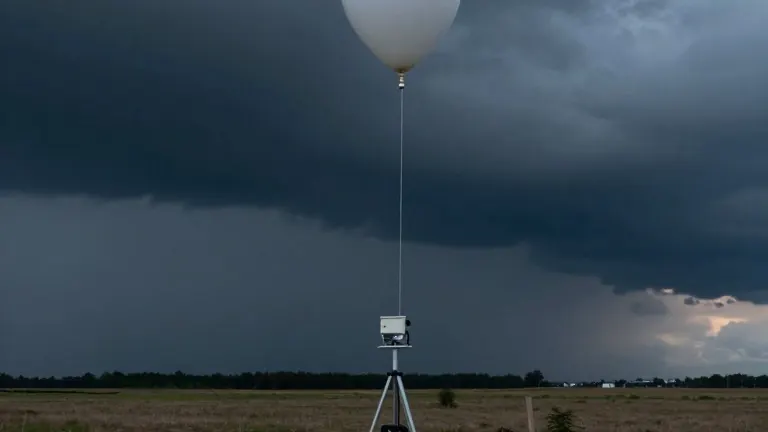
The National Oceanic and Atmospheric Administration has lost more than 3,000 employees since January 2025, according to data from the US Office of Personnel Management. This figure represents the largest drop in the agency's size in the last ten years. The reductions occurred while a super El Niño event strengthens, a phenomenon linked to extreme weather patterns across the United States.
Noaa has cut roughly 20% of its total workforce since the start of President Donald Trump's second term. The agency has reduced staff, canceled contracts, and closed research laboratories. The National Weather Service, a component of Noaa, faces hundreds of unfilled meteorological and technical positions across its 122 forecast offices. Since January 2025, the agency has lost over 500 science positions but hired only 46 new employees in those roles. The public affairs team was cut by half, and information technology management staff fell by approximately 27%.
Scientists warn that these cuts limit the country's ability to forecast and respond to the current weather system. The El Niño is expected to intensify through the autumn and winter months. It is forecast to increase storm activity in the western US and lift sea levels in California by up to a foot. These conditions raise the risk of landslides, debris flows, and flash floods. Tom Di Liberto, a former Noaa climate scientist and media director at Climate Central, said the system has not been tested since the cuts. He noted that the nation's ability to handle coast-to-coast extremes this winter is a major question.
Operational gaps are already visible. Weather balloon launches have been delayed or limited, reducing preparedness for tornadoes in the Great Plains. Warnings to rural Alaska communities were restricted, a state that saw more than 1,500 people displaced by floods earlier this year. The Government Accountability Office found that the weather service failed to provide adequate multilingual alerts due to staffing and funding issues. This gap puts 26 million people at higher risk. Grant Witness reported that dozens of terminated grants represent more than $28 million in lost funding for states, cities, non-profits, and universities. The number of grant awards in fiscal year 2026 was 37% below the average for 2021 to 2024.
The administration has proposed cutting $1.6 billion, or 26%, from Noaa's budget for the next fiscal year. Many of these cuts may not survive the legislative budget process. The agency has also cut roughly $6 billion from an investment in weather satellites, a move the GAO said could create gaps in coverage. During the last strong El Niño a decade ago, Noaa deployed planes, weather balloons, unmanned aircraft, and a research ship. This year, only a handful of unmanned watercraft will enter the Pacific. Funding for the Biogeochemical-Argo float program expires at the end of October.
Monica Medina, who served as principal deputy administrator of Noaa under President Barack Obama, expressed concern about the loss of life and the government's inability to protect the public. Rick Spinrad, who led the agency under President Joe Biden, stated that current capabilities are strong due to past investment but warned that the administration's actions suggest those capabilities will not be sustained. Noaa and the Department of Commerce did not respond to requests for comment before publication.
Source: The Guardian