Macron Deploys 70,000 Officers as Student Detentions Top 11,000
Police arrests in France have reached record levels this month, with minors comprising the vast majority of those held since September.
By Chloe Edwards ·
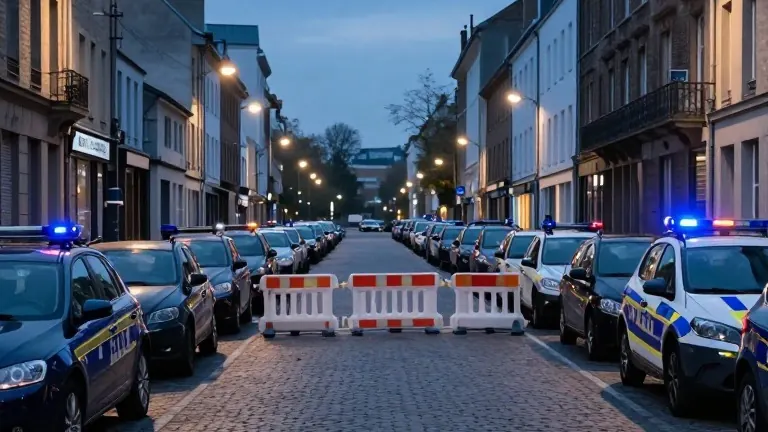
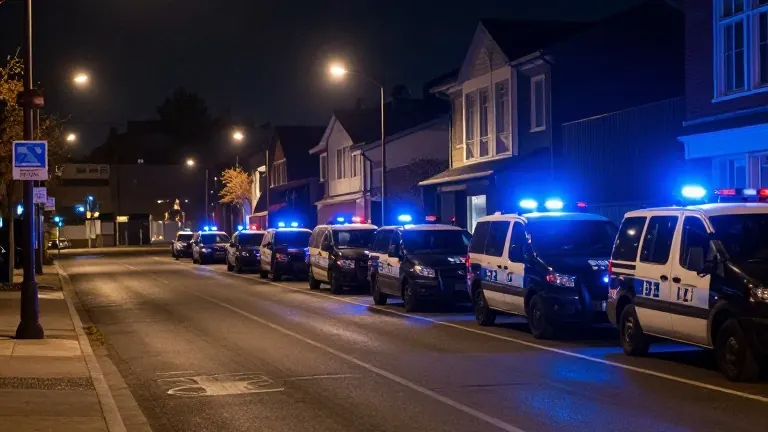
Seventy thousand police officers are now deployed across France to manage student demonstrations, according to President Emmanuel Macron. This deployment marks the largest security mobilization for a domestic protest movement in recent decades. The government stated that the additional forces are necessary to restore public order amid ongoing unrest.
Police custody records show the scale of the crackdown. By October 14, authorities had placed 7,950 people in police custody since the protests began in September. Of that total, 85 percent were minors. The numbers continued to rise in the weeks that followed. An additional 2,700 individuals were taken into custody during the demonstrations on October 17. On October 25, police made another 1,000 arrests.
The heavy policing has resulted in numerous injuries among young demonstrators. Fourteen-year-old Eden suffered a fractured jaw and lost teeth when struck by a tear gas grenade. Sixteen-year-old Mael lost sight in one eye after being hit by a suspected rubber bullet. Fifteen-year-old Evan had a hand blown off by a police stun grenade. These incidents highlight the physical toll of the security response on the student population.
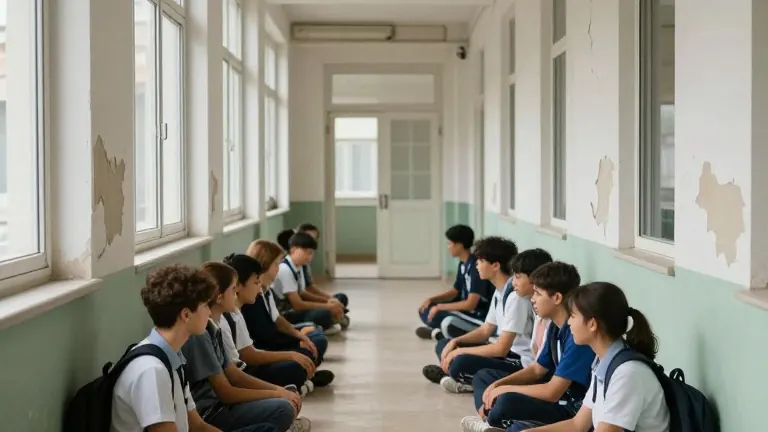
Students and educators say the protests are driven by deteriorating conditions in the school system. In Acoua on the island of Mayotte, Cite du Nord secondary school was blockaded on August 31. The school was built for 900 pupils but currently accommodates 2,300 students in cramped classrooms with poor ventilation and water supply failures. Similar infrastructure issues have been reported in the Paris suburbs. In Sevran, Blaise-Cendrars secondary school has faced water leaks, mold, and shortages of furniture since 2024. In Pantin, windows at Marcelin-Berthelot secondary school no longer open, a problem during heatwaves that can reach 40C. In Bagnolet, staff at Politzer secondary school learned in late September that the water was unsafe to drink, despite tests conducted in June.
Financial data suggests a long-term decline in educational support. French economist Lucas Chancel noted that government spending per student has dropped by 20 percent since 2017. The education ministry reported that 20.2 million teaching hours were not delivered in state secondary schools during the 2024-25 academic year. Of those lost hours, 15 million were due to absent teachers who were not replaced. Oxfam reports that 53 French billionaires own wealth equivalent to that of nearly half the French population, while 9.8 million people live below the official poverty line.
President Macron addressed the public to explain the government's position. He stated that he understood the students but pledged to reform the university entrance platform after a meeting with 20 students on Friday. He did not address the students' key demands regarding infrastructure and funding. Prime Minister Sebastien Lecornu called on the left to choose a side, equating the Republic with the police and the rioters with their violent agenda. Macron has also accused the far left of seeking to bring down the republic and has pledged to ban future protests.
The next phase of the government's strategy involves maintaining the heavy police presence until the movement loses momentum. The administration plans to wait for the protests to weaken through exhaustion or fear. No new legislative sessions are scheduled to address the specific infrastructure complaints raised in the suburbs and Mayotte.
Source: Al Jazeera