MacBook Pro Touchscreen: Apple Defies Decades of Internal Skepticism
The new 14-inch and 16-inch models start at $2,899 and feature tandem OLED displays, marking a sharp departure from the company's historical stance against touch input.
By Chloe Edwards ·
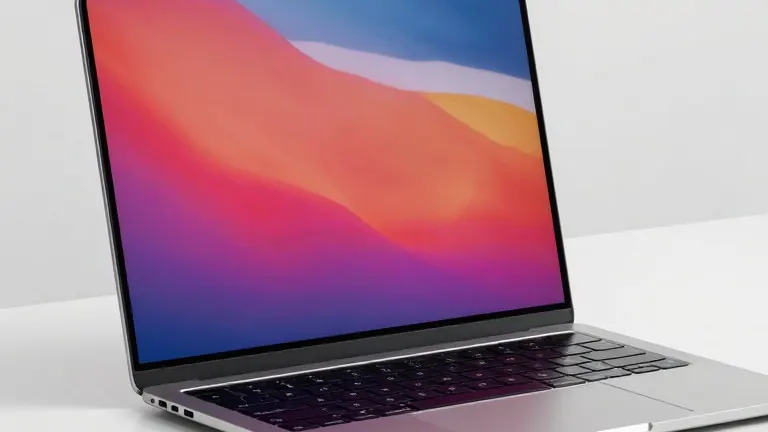
Apple reversed its long-standing position against touchscreen laptops on Wednesday, unveiling a MacBook Pro model with a built-in touch sensor. The decision contradicts advice given by former leaders who argued that touch interfaces were ill-suited for laptop users. The new device is available for preorder immediately, with a release date set for November 6.
The hardware shift is embodied in a display Apple labels "PROLED XDR." This tandem OLED panel achieves 2,000 nits of peak brightness and a 120Hz refresh rate. Apple states the touch sensor is integrated directly into the display panel rather than layered on top. This design choice is intended to lower latency for users interacting with the screen.
Pricing for the 14-inch model begins at $2,899, while the 16-inch version costs $3,399. Both configurations feature M5 Pro or M5 Max chips, distinguishing them from other MacBook Pros announced this week that utilize the M6 processor. The screen sizes have increased slightly to 14.2 inches and 16.3 inches due to narrower bezels. The 14-inch unit weighs 3 pounds, and the 16-inch unit weighs 4 pounds.
Apple cites specific use cases for the new touch capability, including testing iOS and iPadOS applications directly on the hardware. The company also highlights the ability to play software instruments on the display. An updated application programming interface will allow third-party developers to add touch controls to their own software. A Dynamic Island feature on the screen can display Live Activities, mirroring functionality found on iPhones.
The physical build includes a MagSafe 3 port, an HDMI port, an SD card reader, and three Thunderbolt 5 ports. Battery life reaches up to 24 hours. The 16-inch model supports four external displays simultaneously when equipped with the M5 Max chip, while the standard configuration supports three. The lid features a glowing Apple logo, a design element that returned with this release.
The move follows a decade of hesitation. In 2010, Steve Jobs described touchscreen laptops as "ergonomically terrible." In 2012, Tim Cook suggested that converging tablets and laptops would not please users. Apple previously experimented with the Touch Bar starting in 2016 but removed it entirely in 2023 in favor of physical function keys. This new release completes a busy week of product announcements that also included an OLED iPad Mini and M6-powered iMacs.
Source: The Verge