Chalmers points to Iran war as inflation driver, but polls show voters blame government spending
Fuel costs rose 9.4% in September, pushing headline inflation to 4.3%, while a new interest rate hike is expected next week.
By Pablo Harrison ·
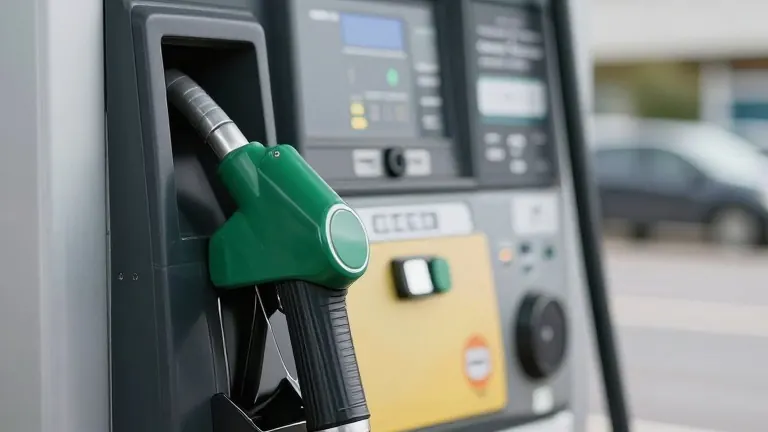
Australian Treasurer Jim Chalmers attributes the recent acceleration in inflation to external shocks, a claim that data supports but voters do not share.
The Australian Bureau of Statistics reported that a 9.4% increase in fuel costs in September drove the annual inflation rate up from 4% to 4.3%. Petrol and diesel prices averaged 24% higher than they were a year prior.
Chalmers links this surge to the conflict with Iran, which began in late February. He argues that the global oil shock and the resulting price hikes are outside the control of the federal government. The Reserve Bank of Australia governor Michele Bullock agreed, stating that overseas developments are complicating the central bank's task of returning inflation to 2.5% by the end of next year.
The timeline of economic pressure began with the start of the war in late February. RBA officials noted that capacity pressures already existed at that time, limiting the economy's ability to absorb new demand. By mid-year, inflation began tracking higher. In September, the cost of living pressures intensified as fuel prices spiked. This surge coincided with a boom in datacenter spending, which economists say is straining labor and material markets.
Polling data suggests the public disagrees with the treasurer's assessment. An Essential poll found that nearly a third of voters identify government spending as the primary cause of rising costs. Only 24% cited overseas events like the oil shock, while 19% blamed supermarket prices. Chris Richardson, an economist, argues that public expenditure remains too high to help lower inflation, noting that government spending as a share of the economy is near record highs.
The Reserve Bank is expected to raise the cash rate for the fifth time this year next Tuesday. A hike would push the rate to 4.85%, the highest level since the global financial crisis in 2008. RBA officials told Senate estimates this week that they are more concerned about inflation becoming entrenched than about unemployment, which recently hit a five-year high.
Sarah Hunter, the RBA’s chief economist, stated there are no signs the economy is heading into a recession in the near term. However, the underlying inflation measure, which strips out volatile price moves, rose from 3.6% to 3.7% in the year to the September quarter. The combination of high rates and rising costs has left 61% of Australians believing the country is on the wrong track, according to the Essential poll.
The government faces a mid-year budget in December, which marks the third year of the current parliamentary term. Chalmers will need to address the cost-of-living crisis during that budget. The upcoming rate hike will likely increase payments for mortgage holders ahead of the Christmas season, adding to the financial strain on households.
Source: The Guardian
More Business · Scam Watch · Report a business · Got a Story?