
California Housing: September Prices Fall Short of 2026 Forecasts
Median home prices in California reached $899,720 in September, missing the Association of Realtors' annual target while sales volumes dropped significantly.
By Pablo Harrison ·
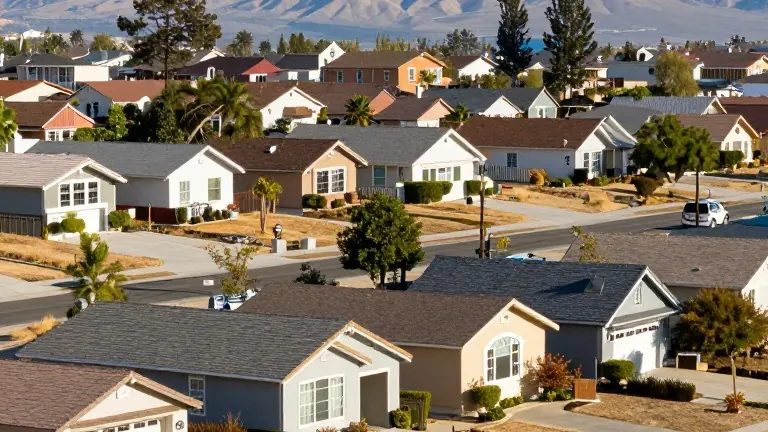
California home prices in September 2026 came in below the annual forecast issued by the California Association of Realtors. The median price for an existing single-family home stood at $899,720. This figure represents a 0.2% decline from August but a 1.7% increase over the same month in 2025.
The Association originally projected a median price of $905,000 for the full year. That estimate assumed 3.6% growth from its 2025 median. The actual September data suggests the market is moving slower than anticipated.
Sales activity has also weakened. Existing-home sales reached a seasonally adjusted annualized pace of 260,410 transactions. That volume is 6.5% lower than the figure recorded in September 2025. The data points to continued affordability pressure rather than a market collapse.
Mortgage costs remain a primary factor in buyer behavior. The average 30-year fixed rate reported by the Association in September was 6.86%. A buyer financing $720,000 on a $900,000 home with a 20% down payment would face monthly principal and interest payments of approximately $4,730. That calculation excludes taxes, insurance, and maintenance.
Regional differences continue to skew statewide averages. The San Francisco Bay Area recorded a median price of $1.42 million in the second quarter of 2026. The Los Angeles metropolitan area reported a median of $860,000. The Inland Empire stood at $605,000. These gaps mean a budget that suffices in one area may not cover a modest home in another.
Price trends varied across the state in September. The Central Coast recorded the strongest annual increase at 4.4%. Southern California prices rose by 3.0%, while the Bay Area gained 1.9%. The Central Valley saw virtually no change. The Far North region experienced a 3.4% decline.
Affordability remains tight for many households. In the second quarter, fewer than one in five California households could afford the statewide median-priced single-family home under Association assumptions. This metric reflects income, debt, and housing costs. It does not account for individual savings or credit history.
Inventory constraints continue to limit negotiating leverage. Many homeowners hold mortgages with lower interest rates and are reluctant to sell and buy at current rates. This dynamic keeps sales volumes down without forcing a sharp drop in prices. Buyers in competitive neighborhoods may still face multiple offers.
Insurance costs also affect the total budget for ownership. Premiums and deductibles can vary widely based on wildfire risk and location. A lender may approve a loan, but the buyer must still secure insurance coverage that fits their financial plan. These expenses add to the monthly cost of holding property.
Source: Baltimore Chronicle
More Business · Scam Watch · Report a business · Got a Story?