
Amagansett Town Prepares for $25 Million Replacement of 131-Year-Old Rail Crossing
East Hampton officials expect to demolish the structurally deficient Cranberry Hole Road bridge in December, with a new 32-foot span scheduled to open in March 2028.
By Chloe Edwards ·
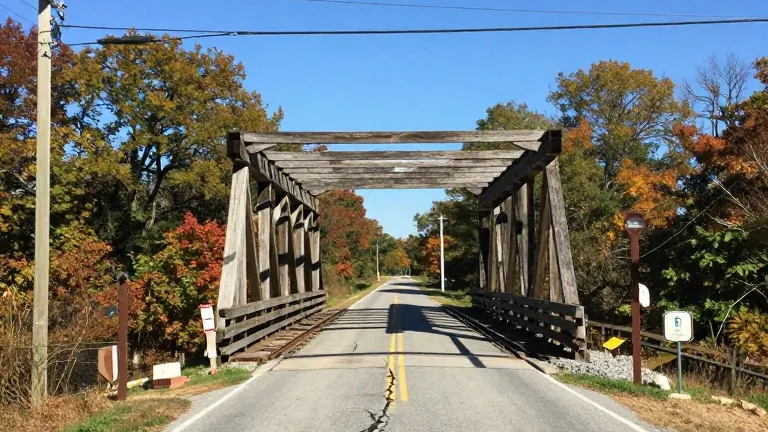
East Hampton officials have confirmed that the 131-year-old Cranberry Hole Road bridge in Amagansett will be demolished this winter, with a target date of December. The structure, originally built in 1895, has been closed to all traffic since July 2023 after being declared structurally deficient. The replacement project is currently underway, with contractors from Asplundh trimming vegetation near electrical lines on the span.
The total cost of the project is estimated between $20 million and $25 million, according to figures provided by Assemblyman Tommy John Schiavoni to the Amagansett Citizens Advisory Committee. Earlier this year, the Long Island Rail Road awarded the contract for the bridge replacement, which includes similar work on crossings at Sagg Road in Sagaponack and River Avenue in Eastport. The Metropolitan Transportation Authority (MTA) is overseeing the construction.
Construction work is scheduled for weekdays between 7 a.m. and 3:30 p.m. The MTA has indicated that overnight or weekend work may occur if necessary, with a commitment to notify the town in such cases. A letter will be sent to nearby property owners when the main demolition phase begins. Motorists are advised to continue using Abram’s Landing Road as the designated detour while the site is active.
Town Highway Superintendent Stephen Lynch cited vehicle overloading as a primary cause of the bridge’s deterioration. The 1895 timber structure was rated for a five-ton load, or 10,000 pounds. Lynch noted that cement trucks, dump trucks, and even a modular home crossed the span in recent years. During a site visit on Tuesday, Lynch and Councilman David Lys observed long cracks in the asphalt that aligned with the wooden planks underneath, indicating significant stress on the subflooring.
The replacement plan involves removing the existing web of 130-year-old timbers and installing new abutments next summer. A concrete span, capable of holding 80,000 pounds, will be craned into place next fall. The new roadway will be widened to 32 feet, up from the current 21 feet, to accommodate pedestrians and meet American with Disabilities Act access standards. The project also includes milling, paving, curb and sidewalk work, and the installation of a new drainage system with leaching basins.
Councilman David Lys emphasized that the new infrastructure supports regional transit goals. The MTA has allocated funds to add sidings to the Montauk line, and the new bridge is designed to accommodate two tracks. This expansion allows for more frequent train service. Lys stated that the project is being designed for future capacity, noting that the current double-decker commuter cars carry hundreds of passengers daily from various school districts.
The MTA anticipates that the new bridge will open to traffic in March 2028, though the agency noted the schedule is subject to change. The current span, which features wood-timber construction with pavement over it, is described by local staff as a rare sight on Long Island. A flagman for the MTA remarked on the unique nature of the structure during a recent site inspection.
Under the bridge, the aging timbers remain black with creosote despite their age. The area beneath the span contains invasive plant species, debris, and wildlife tracks. Lynch and Lys discussed the historical use of the rail line, including a former station for a cement-block business and its use by potato farmers. Lys expressed confidence in the longevity of the new concrete structure, contrasting it with the 131 years of service provided by the original timber bridge.
Source: East Hampton Star