
Alaska Senate Race: Salmon depletion shapes electoral strategy
A decline in Kuskokwim River salmon has become a central campaign issue, pitting Indigenous voters against a $1 billion pollock industry.
By Chloe Edwards ·
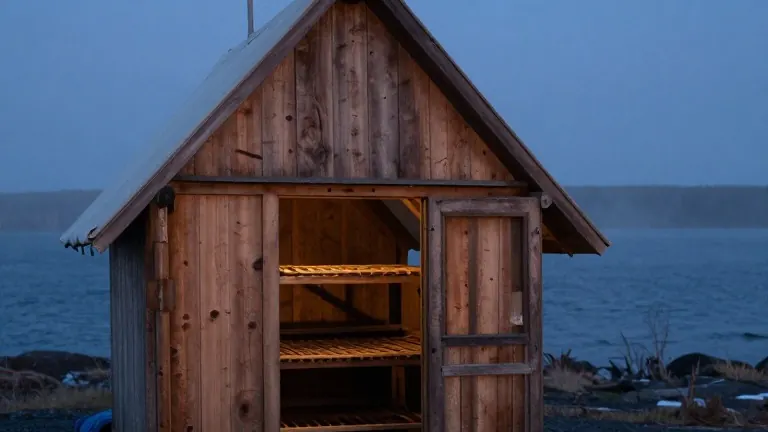
The balance of power in the United States Senate could hinge on a biological decline in Western Alaska. In that region, the failure of salmon to return to local rivers has transformed a subsistence crisis into a decisive electoral factor for the 2026 election.
Evon Waska, a resident of the Kuskokwim River area, operates a smokehouse that remains empty during the peak season. He attributes the scarcity to industrial trawlers operating in the Bering Sea, vessels that tow nets 2,100 feet long and 100 feet wide to harvest pollock. While the primary target is the white fish used in processed products like imitation crab, the nets also capture king salmon. These prized fish are often discarded as bycatch, a waste Waska argues disproportionately affects local families who rely on the river for food.
The pollock industry, valued at approximately $1 billion with a large presence in Seattle, faces mounting political pressure. Republican Senator Dan Sullivan, a long-time supporter of the industry, is promoting new legislation intended to reduce bycatch and protect seafloor habitats. Sullivan describes the bill as the most comprehensive bycatch legislation ever introduced. In contrast, Democratic challenger Mary Peltola, an Indigenous woman from the Kuskokwim, advocates for a ban on factory trawlers. She criticizes Sullivan for accepting over $300,000 from trawler interests and delaying action until the final hours of the legislative session.
Political advertisements in the state now frequently reference the fishing dispute. Sullivan’s ads urge voters to thank him for fighting for fishermen, while Peltola’s ads accuse him of prioritizing out-of-state corporate money. The campaign messaging frames the election as a choice between protecting local heritage and supporting a major economic sector.
Heather Mann, who leads a trawler association, disputes the notion that the pollock fleet is the primary cause of the salmon decline. She states that scientific data indicates eliminating pollock fishing would have only a minimal impact on restoring salmon runs. Industry representatives note that while 40,000 Alaska salmon were caught by trawlers this year, that number represents a small fraction of the total pollock harvest.
In the village of Kwethluk, the impact of the decline is visible in unused infrastructure. Mary Nikolai, the tribal president, observed a neighbor’s cold smokehouse that sat idle throughout the summer. She describes the trend as a gradual reduction of the local workforce. For residents, the Senate race offers a platform to draw national attention to the sustainability of their traditional way of life, regardless of the eventual candidate who secures the seat.
Source: WYPR